New research suggests vegan-fed cats may be less overweight
Cats consuming vegan diets showed lower rates of weight-related health disorders in a study of 1,305 cats, although
Press Release Disclaimer: This is a press release distributed through the XPR Media network. It has not been independently verified by our newsroom.
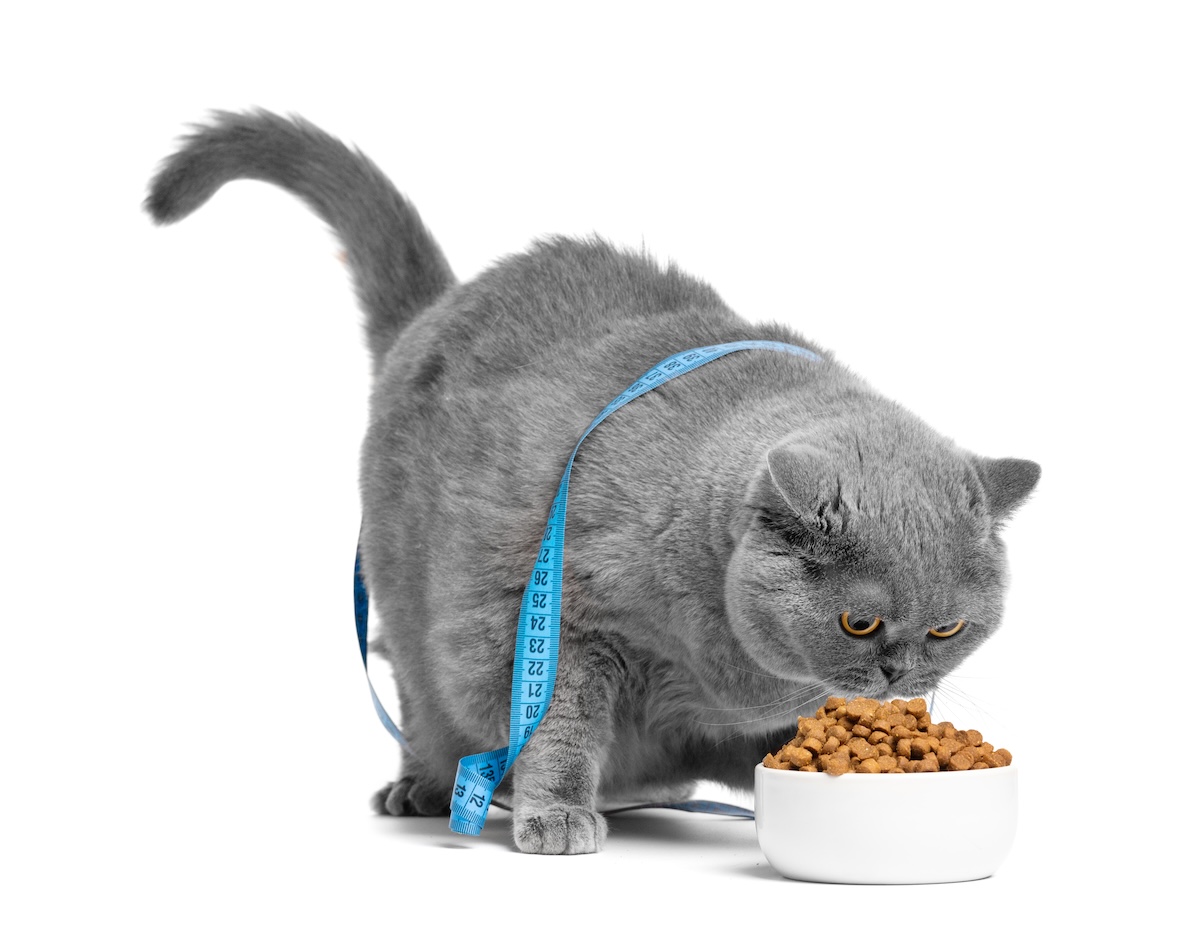

Cats consuming vegan diets showed lower rates of weight-related health disorders in a study of 1,305 cats, although further research is needed.
LONDON, UNITED KINGDOM, October 23, 2026 /EINPresswire.com/ — New research comparing the health of cats fed vegan and conventional meat-based diets has identified a potentially important difference in their weight and related health outcomes.
The Frontiers in Animal Science study analysed survey-based data on 1,305 cats, of which 90% consumed conventional meat-based diets and 10% were fed vegan diets. All cats had been consuming their respective diets for at least one year.
After adjusting for factors such as age, sex, neutering, physical activity and feeding habits, researchers found that cats consuming vegan diets had 34% lower odds of being assessed as overweight.
Although this difference did not reach statistical significance, possibly due to the smaller number of vegan-fed cats, the results suggest a potential relationship between dietary composition and weight management that deserves further research.
The findings are particularly relevant given the widespread prevalence of excess weight among domestic cats. Previous veterinary research suggests approximately 30–60% of cats are overweight or obese, putting them at increased risk of conditions including diabetes, arthritis, urinary tract disorders and impaired quality of life.
The researchers also investigated health conditions commonly associated with excess body weight. Cats fed vegan diets generally showed lower reported rates of disorders including osteoarthritis and other musculoskeletal or mobility problems. For several conditions, no cases were reported among the vegan-fed cats.
Research Leader Andrew Knight, Adjunct Professor at Murdoch University’s School of Veterinary Medicine in Australia, explained:
“Our results point towards potentially beneficial differences in weight-related health outcomes among cats consuming vegan diets. However, because relatively few cats in the survey were vegan-fed, we’re not yet sure whether this apparently protective effect would persist in the wider population.”
One unexpected finding concerned feeding practices. Vegan-fed cats were more likely to consume predominantly dry food and to have continuous access to food throughout the day.
“These feeding habits are often considered potential risk factors for excessive weight gain,” Professor Knight noted. “It was therefore particularly interesting that the vegan-fed group nevertheless showed lower rates of being overweight.”
The researchers considered several possible explanations for the observed trends, although the study did not directly analyse the nutritional composition of the diets.
Some commercially available vegan cat foods may contain more fibre, less fat or fewer calories than comparable conventional meat-based products. These differences could potentially affect energy intake and weight regulation.
Another possibility involves L-carnitine, a nutrient important for energy metabolism and the maintenance of lean body tissue. Variations in its dietary availability could conceivably contribute to differences in body condition.
However, the researchers emphasised that these explanations remain hypothetical and were not directly tested.
The study also recognised that feline body weight is influenced by numerous factors beyond diet, including age, sex, neutering, exercise and feeding management. For key results the researchers used statistical methods to control for potential effects of such variables.
The numbers of vegan-fed cats were relatively limited in this study. Additionally, it relied on carer-reported veterinary assessments, rather than independent measurements of cat weight and nutritional intake. Hence the findings cannot conclusively establish that vegan diets directly reduce the risk of overweight or obesity.
Professor Knight concluded:
“This research provides an interesting indication that vegan-fed cats may experience favourable weight-related outcomes, but stronger evidence is needed before drawing firm conclusions. Larger studies following cats over time, with direct assessments of their diets, calorie consumption and body condition, would help determine whether the patterns we observed are reproducible and what might explain them.”
“Additionally, cat carers should always aim to feed nutritionally sound diets, by sourcing them from commercial companies who fully supplement their vegan diets to ensure all essential nutrients are included.”
PROF. ANDREW KNIGHT
Sustainable Pet Food Foundation
andrewknightvet@gmail.com
Legal Disclaimer:
EIN Presswire provides this news content “as is” without warranty of any kind. We do not accept any responsibility or liability
for the accuracy, content, images, videos, licenses, completeness, legality, or reliability of the information contained in this
article. If you have any complaints or copyright issues related to this article, kindly contact the author above.

Media gallery